
Ivy County Plotted vs Villa Investment Returns: Which Delivers Better ROI in Sarjapur?
In Bangalore, real estate investors are increasingly asking themselves a crucial question: should I invest in plotted developments or villas? This debate becomes even more pronounced in growth corridors like Sarjapur Road, where land prices, infrastructure, and buyer demand are all evolving at different paces.
This article examines the Ivy County plotted vs villa investment returns, all through a practical, numbers-driven lens. The goal is clear—help investors determine which asset class is better suited for long-term returns, liquidity, and risk on Sarjapur Road.
Why Investors Are Comparing Plotted Developments and Villas in Bangalore
Bangalore’s real estate market has really matured. For most serious buyers today, the choice is less about emotions and more about financial sense.
What’s driving this comparison, you ask?
- Scarcity of land within the city limits
- Rising villa prices nudging investors to explore other options
- Infrastructure-led growth in outer areas
- Lower rental yields compared to capital values
Sarjapur Road is at the forefront of this shift. With ongoing infrastructure enhancements, its closeness to tech hubs along the ORR, and a strong demand from end-users, investors are keen on properties that can outpace inflation and provide smooth exits when necessary.
This is where the discussion about plotted developments versus villas begins.
Understanding Plotted Developments as an Investment Asset
A plotted development is essentially a land-based investment. You’re purchasing a clearly defined plot within an approved layout, which usually comes with internal roads, drainage systems, water lines, and all necessary civic approvals.
How plotted developments generate returns
Plotted assets mainly depend on capital appreciation rather than rental income. Historically, land in Bangalore’s growth corridors has seen faster appreciation compared to built-up properties because of:
- Limited supply
- No structural depreciation
- High flexibility in usage
- Lower holding costs
- From 2015 to 2024, land prices along Sarjapur Road and its extensions have increased at an estimated CAGR of 10–14%, depending on the specific location and access to infrastructure. In some areas closer to proposed metro lines and STRR connectivity, appreciation has even surpassed this range.
Unlike apartments or villas, the value of land doesn’t diminish over time.
Understanding Villa Investments and Their Return Structure
Villas are unique in the real estate world. They combine owning land with a built structure, which brings its own set of benefits and challenges.
What villa investments provide
- Immediate access and usability
- Potential rental income (generally 2–3% gross yield in Bangalore)
- Lifestyle appeal for those looking to live in them
Where villas struggle as pure investments
From an investor’s viewpoint, villas come with three main challenges:
1. Depreciation of the built structure
As time goes on, the quality and design of the construction can decline. While the land may appreciate, the structure often drags down overall gains.
2. Higher initial costs
Villas on Sarjapur Road currently start at ₹2.2–3.5 crore, which can limit the pool of potential buyers when it’s time to sell.
3. Liquidity issues
Selling villas typically takes much longer than selling plots, especially for those in the higher price range.
In many micro-markets around Bangalore, villas have shown a respectable annual appreciation of 6–9%, but this is often less than what land-only assets in the same area can achieve.
Ivy County as a Plotted Investment: What Impacts Returns
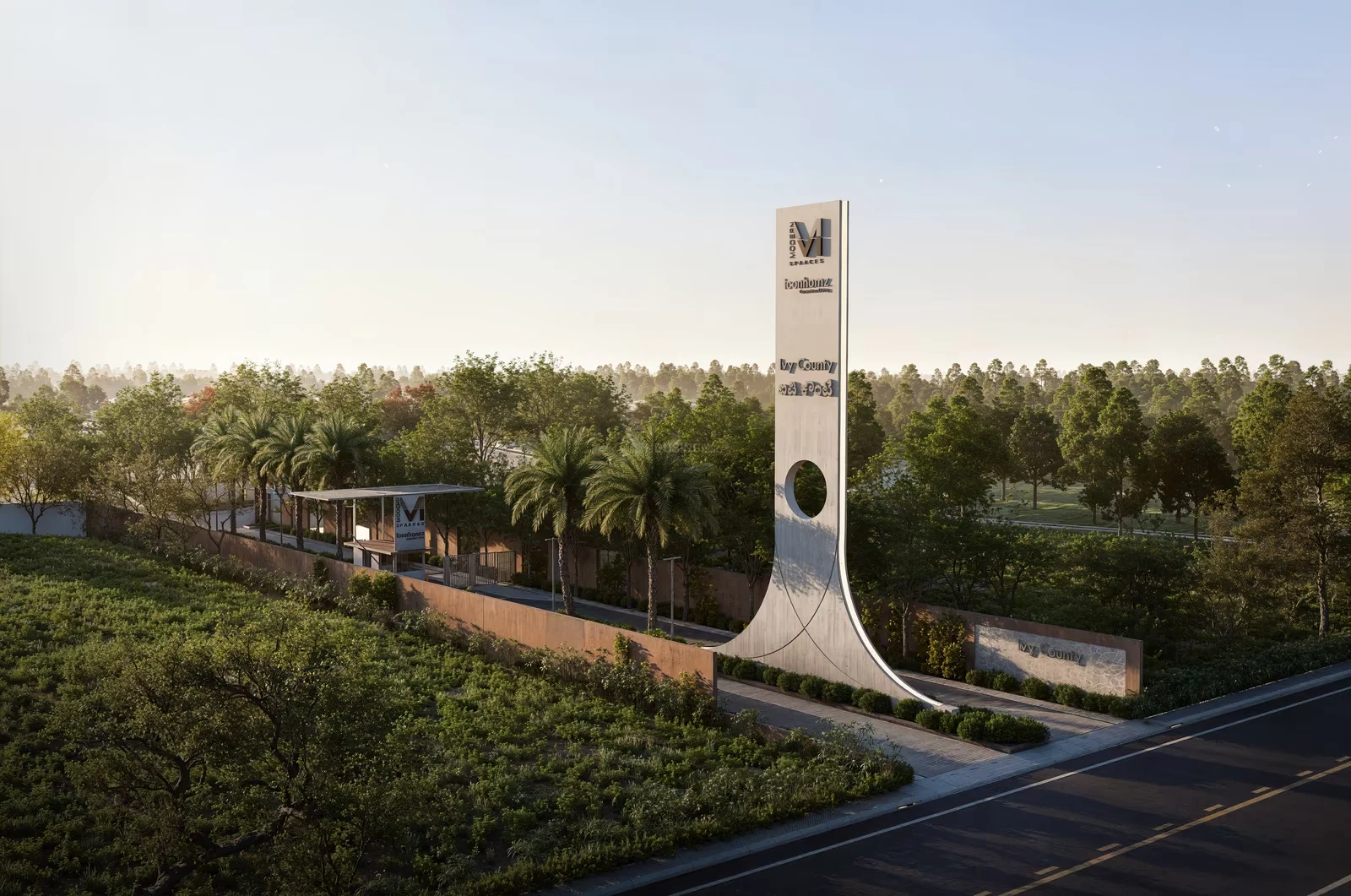
Modern Spaaces Ivy County is shaping up as a villa plot development on Sarjapur Road, aimed at buyers who want to own land without diving into construction risks right away.
Several factors affect its investment appeal:
Location fundamentals
Sarjapur Road connects key employment areas like:
- ORR IT corridor
- Whitefield via Varthur
- Electronic City via Hosur Road
The region continues to attract mid-to-senior IT professionals and entrepreneurs, which helps maintain a strong demand for housing over time.
Infrastructure-led upside
Important infrastructure developments that are driving land value include:
- Connectivity to the Peripheral Ring Road
- Planned metro expansion towards Sarjapur
- Road widening and junction upgrades
Historically, plotted developments near new infrastructure tend to do better than apartments and villas during the early to mid-growth stages.
Target resale audience
Plots are appealing to:
- Custom home builders
- Second-home buyers
- Long-term investors
This wider range of potential buyers boosts exit flexibility.
Plotted vs Villa Investment Returns: A Direct Comparison
Let’s break down the differences between these two investment options so you can make an informed choice.
1. Entry Cost
Plots (Ivy County): Generally, a lower initial investment with more flexible capital options.
Villas: A hefty upfront cost, especially with construction premiums factored in.
2. Appreciation Potential
Plots: Expect a growth rate of 10–14% CAGR in developing areas.
Villas: Typically see a 6–9% CAGR, which can vary based on the brand and upkeep.
3. Rental Yield
Plots: No rental income.
Villas: Offer a gross yield of 2–3%, but this is often offset by maintenance and vacancy issues.
4. Holding Costs
Plots: Very minimal expenses.
Villas: Higher costs due to maintenance, repairs, and society fees.
5. Liquidity
Plots: Easier to sell quickly with a broader range of potential buyers.
Villas: Slower to sell, often attracting niche buyers at premium prices.
When it comes to ROI, plots tend to outperform villas over medium to long-term investments in Bangalore.
Rental Yield vs Capital Growth: What Really Matters?
When it comes to investing, many people tend to gravitate towards villas for the rental income they promise. But the numbers often tell a different tale.
Take, for instance, a ₹3 crore villa that brings in a monthly rent of ₹60,000 to ₹70,000. This translates to a gross annual yield of about 2.5%. Once you factor in maintenance costs, property taxes, and potential vacancies, the net yield can dip below 2%.
On the flip side, consider a plotted asset that doesn’t generate any rental income but appreciates at a rate of 12% annually. Over a 7 to 10-year period, that kind of growth can really add up.
This is why experienced investors tend to focus on capital growth rather than rental yield, especially in developing areas like Sarjapur Road.
Which Asset Performs Better in Sarjapur Road’s Current Growth Cycle?
Sarjapur Road is currently experiencing a phase of growth driven by infrastructure, rather than being a saturated residential area.
During these growth phases:
- Land values tend to increase more rapidly than built properties.
- Early plotted developments can take advantage of the most significant gains.
- Villas usually perform better once the area reaches a level of stability.
This trend has been observed historically in places like Whitefield, Yelahanka, and Kanakapura Road.
Considering Sarjapur’s current situation, it seems that plotted developments offer a more appealing risk-reward balance for investors looking to enter the market now.
Who Should Consider Ivy County Villa Plots?
Ivy County plots are a great fit for investors who:
- Have a holding period of 5 to 10 years
- Appreciate the option to build later or sell sooner
- Prefer to keep maintenance responsibilities low
- Are more interested in property appreciation than rental income
These plots are especially appealing for buyers eyeing investment opportunities along Sarjapur Road, offering the flexibility for future construction.
Final Verdict: Ivy County Plots or Villas - Which Is the Smarter Investment?
When you compare Ivy County plotted vs villa investment returns, the choice is pretty straightforward for most investors.
- Villas cater to end-users who value lifestyle and want to use their property right away.
- Plots, however, are more suited for investors who are after capital appreciation, liquidity, and a lower risk profile.
In the current growth cycle along Sarjapur Road, plotted developments like Ivy County are more aligned with long-term ROI goals. They offer land ownership in a thriving area without the burden of construction depreciation or high maintenance costs.
For investors focused on wealth building rather than property management, the figures and market trends clearly favor plots.
Frequently Asked Questions: Ivy County Plotted vs Villa Investment
1. Are plotted developments a better investment than villas in Bangalore?
Plotted developments tend to be a smarter choice for long-term investment in Bangalore since land usually appreciates more quickly and doesn’t lose value over time.
2. What’s the average appreciation rate for plots on Sarjapur Road?
Residential plots along Sarjapur Road have historically seen appreciation rates of about 10–14% per year, thanks to the booming IT sector and ongoing infrastructure improvements.
3. Do villas provide better returns than plots?
While villas can generate rental income, their appreciation tends to be slower due to factors like building depreciation and higher maintenance costs compared to plots.
4. Is Ivy County a solid choice for long-term investment?
Yes, Ivy County is situated in the Sarjapur Road growth corridor, making it an attractive option for investors looking for long-term capital gains.
5. Which is easier to sell: plots or villas?
Plots are generally easier to sell because they come with lower price points, a wider pool of potential buyers, and no worries about the age of construction.
6. Are plotted developments a safer option than villas?
Yes, approved plotted developments with clear titles and the right DTCP or local authority approvals are generally viewed as low-risk investments.
7. Who should think about investing in villas instead of plots?
End-users who want to move in right away and start generating rental income might find villas more appealing than plots.
8. How does infrastructure affect plot investments?
New metro lines, road widening, and the expansion of IT corridors usually lead to a quicker increase in land values compared to already built properties.
9. Is Sarjapur Road still a hot spot for real estate?
Yes, Sarjapur Road is still a booming micro-market, driven by ongoing infrastructure projects and a strong demand for housing.
10. Are plots more suitable for passive investors?
Yes, plots require no maintenance, no tenant management, and have minimal ongoing costs, making them ideal for passive investors.
11. Is Ivy County a good fit for both investors and end-users?
Yes, Ivy County is designed to meet the needs of investors looking for appreciation as well as end-users who are planning to build their future homes.
12. Why do investors lean towards plots during different market cycles?
Plots tend to retain their value better during market downturns because the demand for land remains steady, even when apartment sales take a hit.
View Project
- Villa Plots on Sarjapur Road, Bangalore